
Choosing between a modular home vs traditional home is one of the biggest decisions you will make when building in India. A traditional home, usually an RCC frame with brick or block walls, is familiar and widely accepted. A modular home is planned as a coordinated system of structure, envelope and services, prepared largely off-site and assembled on a ready foundation.
Both can give you a comfortable, durable home. The right answer depends on your plot, budget, timeline, location and how you want to live. This guide compares the two honestly so you can decide with confidence.
In this guide
What Is a Modular Home?
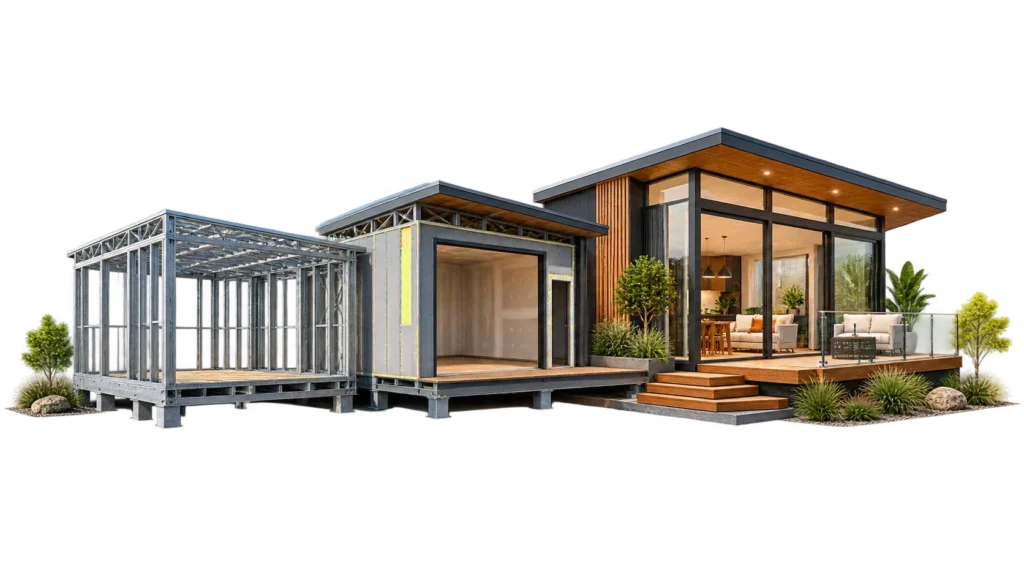
A modular home is built from engineered components or modules prepared away from the site, then transported and assembled. The structure is often light gauge steel framing, closed with insulation, boards, cladding and finishes. Kitchens, bathrooms, wiring and plumbing are coordinated into the design before production. See ORZA’s modular homes and cottages for examples of what can be built.
What Is a Traditional Home?
A traditional home in India is typically built on site with an RCC frame, brick or block walls, plaster and paint. Work progresses step by step: excavation, foundation, columns and slabs, masonry, plastering, services and finishes. Quality depends heavily on site supervision and workmanship.
Modular Home vs Traditional Home: Side-by-Side
| Factor | Modular home | Traditional home |
|---|---|---|
| Process | Designed as a system; components prepared off-site | Built step by step on site |
| Site work | Less wet work and congestion | Extended wet work, material storage on site |
| Schedule | Site and off-site work run in parallel | Mostly sequential |
| Quality control | Repeatable details and planned checkpoints | Depends on site workmanship |
| Flexibility | Easier to extend; selected designs relocatable | Permanent; changes need demolition |
| Thermal comfort | Depends on envelope design | Thermal mass of masonry and RCC |
| Finance and approvals | Check with lender and local authority early | Widely familiar to lenders and authorities |
Where a Modular Home Makes Sense
- Farmhouses and weekend homes outside cities, where supervising a long site build is difficult.
- Hill and remote sites where materials and skilled labour are hard to bring in.
- Rental cottages and homestays, where several similar units can be built together.
- Rooftop rooms and extensions, where a lighter structure helps, after structural assessment.
- Owners who value a planned, predictable process with fewer surprises on site.
Where a Traditional Home Makes Sense
- Multi-storey family homes in dense city plots
- Homes with basements or very heavy loads
- Projects where the lender or local authority prefers conventional construction
- Owners with a trusted local contractor and time to supervise
Comfort: The Envelope Matters Most
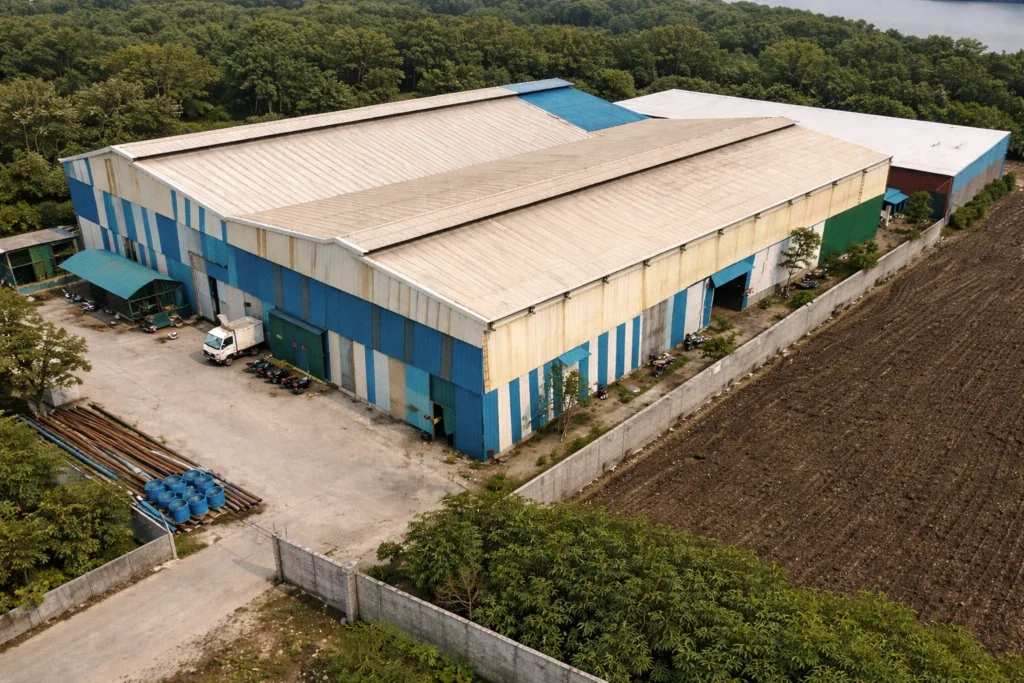
A common worry is that a modular home will be hot in summer or noisy in the rain. That happens when the envelope is treated as an afterthought. A well-designed modular home uses suitable insulation, a properly built-up roof, shading, ventilation and quality glazing for the local climate. With these in place, a modular home can be as comfortable as a traditional one.
Durability and Maintenance
Both types last when designed, built and maintained well. For a modular home, galvanised framing, moisture control, good flashings and sealed junctions are important. For a traditional home, concrete quality, waterproofing and plaster maintenance matter. Ask any builder how they detail and protect the building.
Cost: Compare the Complete Home
Comparing modular home vs traditional home cost only by headline rates can mislead. Compare the full scope, including foundations, walls, roof, openings, services, finishes, supervision, time on site and any rework. Our guide to prefab house cost in India lists every factor to check.
How to Decide
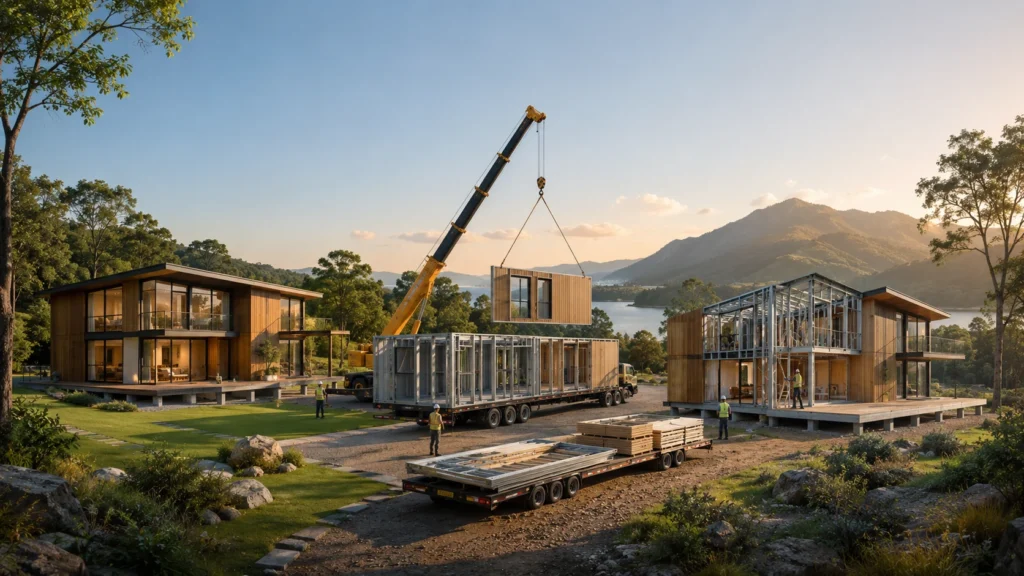
Start with your site, timeline and how hands-on you can be. If you want a predictable process, a cleaner site and the option to extend or relocate later, a modular home is worth serious consideration. If you need a tall, heavy or highly conventional building, a traditional home may suit better. Many owners also choose a hybrid: an RCC plinth or ground floor with a modular upper floor. For general background, see this overview of the modular home method.
Still deciding between a modular home vs traditional home? ORZA Infra will review your plot and requirements and give you an honest recommendation. Contact us or call +91 99267 76000.
Frequently Asked Questions
Is a modular home as strong as a traditional home?
A properly engineered modular home is designed to meet structural requirements for its use and location. Strength depends on engineering and detailing, not just on the method.
Is a modular home cheaper than a traditional home?
Sometimes, but not always. Compare the complete scope including foundations, envelope, services, finishes and time on site.
Can I get a home loan for a modular home in India?
Check with your lender early. Requirements vary by bank, property type and land title, so discuss the construction method before you commit.
How long does a modular home last?
With good design, quality materials and regular maintenance, a modular home can serve for many years, just like a well-built traditional home.
Can a modular home be extended later?
Yes. Planning the structural grid and services for future rooms or floors makes extensions straightforward, subject to approvals.